
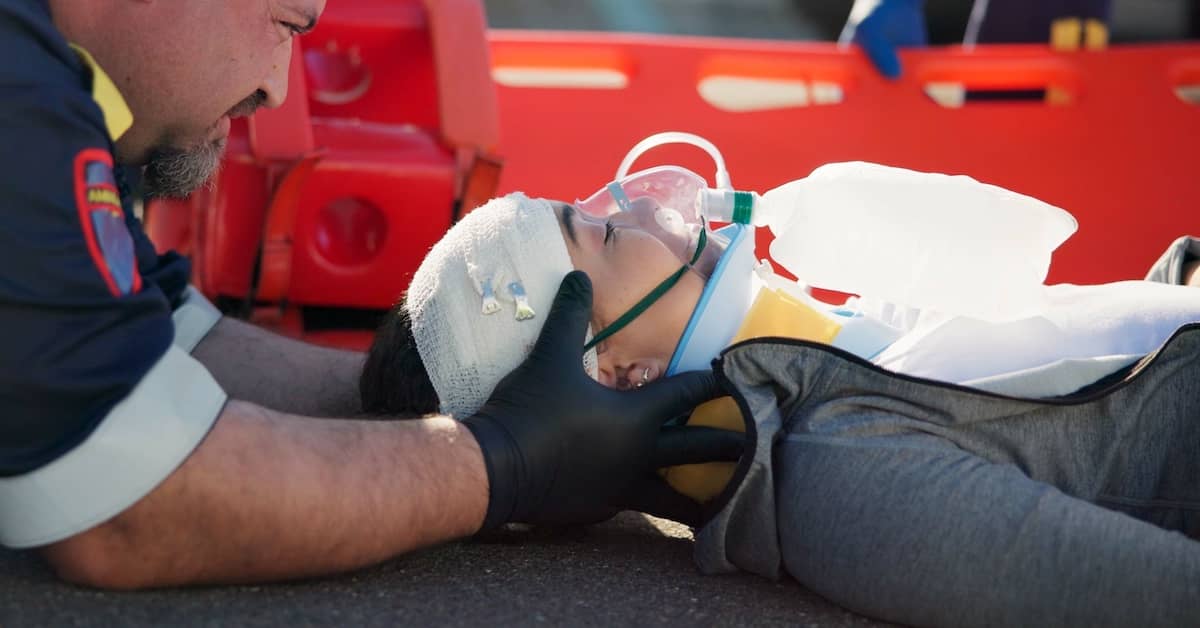
Trauma is unfortunately a fact of life when you’re a first responder. Firefighters, police officers, paramedics, and other first responders are often exposed to accidents and violence. There is a lot of pressure to buck up and move on, leaving you with little time to process. Ketamine for trauma recovery may be an option if your mental health has suffered due to your job.
First responders have much higher rates of depression, anxiety, and post-traumatic stress disorder (PTSD) than the general population. These issues may lead first responders to take control of their mental health, often pursuing options outside of traditional therapy and medications.
NeuroHealth Treatment Centers provides individualized ketamine therapy for first responders. We make patient safety a top priority and ensure that treatment does not interfere with your duties or shift schedule.
To get started, call us at 954-417-7575 today. Your initial consultation is 100% FREE. Our ketamine for trauma recovery services are available to patients in Fort Lauderdale and all of South Florida.
How Does Ketamine Help with Trauma?
Ketamine is classified as a dissociative anesthetic. It can alter perception and induce a sense of detachment from one’s body and surroundings. Most patients find this to be a pleasant sensation that allows them to engage with thoughts and feelings that might otherwise be distressing.
Emerging research shows that ketamine can aid in recovery from PTSD and other trauma-related disorders:
- Patients receiving both ketamine therapy and psychotherapy experienced a significant reduction in PTSD symptoms, according to a systematic review and meta-analysis published in The Journal of Clinical Psychiatry.
- A review article in Therapeutic Advances in Psychopharmacology found that 50–70% of patients with PTSD who received ketamine exhibited symptom improvement.
- This review encompassed multiple studies where veterans and first responders were among the participants, which demonstrates the effectiveness of ketamine therapy for this population.
- Researchers at Mount Sinai reported rapid relief of symptoms and strong maintenance of results at 28 days for patients with chronic PTSD.
These and other studies demonstrate the efficacy of ketamine treatment for PTSD and other conditions commonly experienced by first responders. Additional research shows that ketamine can also help with major depressive disorders, anxiety disorders, and other mental health complaints.
How Does Ketamine for Trauma Recovery Work?
Ketamine therapy is performed in a clinical setting under the supervision of trained medical professionals. While some providers offer intravenous treatment, NeuroHealth Treatment Centers only provides therapeutic ketamine via intramuscular injection.
Once the injection is administered, the dissociative effects generally become apparent in about 5 minutes. You will likely feel relaxed and slightly detached from the world around you. Each session can last anywhere from 30 minutes to 60 minutes, during which our team will monitor you closely.
How Does Ketamine Affect the Brain?
Ketamine blocks the N-methyl-D-aspartate (NMDA) receptors in the brain. Inhibiting NMDA receptor activity modulates the release of glutamate. This key neurotransmitter is involved in memory formation, mood, focus, and learning.
Chronic stress and trauma can disrupt glutamate signaling, resulting in persistent depression and anxiety. Ketamine helps to reset this pattern, providing symptom relief by:
- Strengthening connections between key areas of the brain responsible for emotional regulation
- Reducing the “fight-or-flight” response common in patients with PTSD
- Boosting mental clarity
- Promoting neuroplasticity, which can aid in the formation of new neural pathways and help support healing
- Encouraging the brain’s production of BDNF, or brain-derived neurotrophic factor; a study in Behavioural Brain Research found that low-dose ketamine significantly increases BDNF expression, which is associated with rapid antidepressant effects
Intramuscular ketamine can improve symptoms in as little as 24 hours. This represents a significant improvement over oral antidepressants, which can take much longer to work.
Is Ketamine Safe for First Responders?
When used in clinical settings, ketamine has a very strong track record for safety. According to research published in PLOS Mental Health, providers reported no serious adverse effects in a survey on the safety of therapeutic ketamine.
Side effects are typically mild and short-lived. These may include:
- Nausea and vomiting
- Headache
- Insomnia
- Hypertension (high blood pressure)
- Irritation of the bladder
For first responders, safety is a top concern. Ketamine for trauma recovery needs to be balanced with the needs of the job, such as alertness, clear thinking, and fast reflexes. Many first responders are also concerned about ketamine showing up on a drug test.
Although ketamine injections only take a few minutes, you will be monitored for up to 1 hour at each session. This allows the provider to monitor your response.
You should also plan on resting for the remainder of the day. Ideally, you should not go on shift for a minimum of 24 hours after ketamine treatment.
Ketamine is generally not included in the standard drug tests administered to first responders in Florida. Screening for ketamine is only performed if abuse is suspected. It is important to be aware of the effects of ketamine so you can safely do your job.
Why First Responders Are Exploring Ketamine Therapy for Occupational Trauma
Mental health care is often stigmatized in the first responder community. People who work in emergency services are generally expected to shrug off traumatic incidents so they can move on to the next call. Reaching out for help may be seen as a sign of weakness.
If you do try to get help, you may find it difficult to fit talk therapy sessions and psychiatric meds into a hectic and unpredictable schedule. This can make it hard to improve your mental health through traditional means.
Bottom line: First responders need innovative and effective strategies for overcoming occupational trauma. Ketamine therapy is beneficial for a number of reasons:
- Fast relief for serious conditions like depression and PTSD
- No daily medications
- Clinical supervision ensures safety
- Minimal side effects
- Appropriate complement to other mental health therapies
A comprehensive mental health evaluation can determine if ketamine may be a viable option for trauma recovery and reducing the symptoms of psychiatric disorders. This is crucial for maximizing safety and effectiveness.
Learn How NeuroHealth Treatment Centers Can Help
Trauma presents complex challenges for mental health providers. If you are struggling after a high-stress call or traumatic event in the line of duty, you need services aligned with your unique needs and goals.
NeuroHealth Treatment Centers is proud to offer personalized therapy for first responders. We understand what everyday heroes go through, as well as the common concerns about mental health care. That is why we provide ketamine PTSD treatment and other groundbreaking options to help you overcome the stresses and hardships you face on the job.
Our team has extensive experience administering ketamine for trauma recovery. We supervise every aspect of your care, from the initial injection to monitoring your response to assessing your progress at every subsequent session.
Contact Us for FREE Today
We know how hard it is for first responders to get help for themselves. NeuroHealth Treatment Centers offers FREE consultations so we can get to know you, your work, your symptoms, and your lifestyle. This is critical for building patient trust and delivering superior results with ketamine therapy.
Book your initial consultation online or call our clinic in Fort Lauderdale to get started. We serve first responders throughout South Florida, including nearby communities like Hollywood, Pembroke Pines, Plantation, Pompano Beach, and more.


