

Evidence-Based Mental Health Care for Children & Young Adults
At NeuroHealth Treatment Centers, we recognize the importance of tailoring child and adolescent psychiatry services to each patient’s needs. Young people face unique challenges when it comes to mental health. Our quad board-certified psychiatrist develops personalized treatment plans for a variety of mood and behavioral conditions.
Our clinic generally accepts patients as young as 12. Depending on the clinical need and level of care required, they may continue to see us through adolescence and into young adulthood.
NeuroHealth Treatment Centers provides a safe and inclusive space for adolescents and young adults. We also welcome parents and guardians, who are actively involved in treatment for patients under the age of 18.
Child & Adolescent Psychiatry Frequently Asked Questions
What is a child and adolescent psychiatrist?
A child and adolescent psychiatrist is a doctor who specializes in treating children (ages 4–12) and adolescents (ages 12–17). They are medical doctors who have completed advanced postgraduate training in the treatment of childhood and adolescent mental health disorders.
Why child and adolescent psychiatry?
Child and adolescent psychiatrists have a sophisticated understanding of how mental health issues affect young people. The presentation of symptoms in developing children and teens may be very different from that of adults. Child and adolescent psychiatrists are equipped to recognize differences in symptoms and behavior patterns through age-appropriate evaluations and communication.
Does my child need therapy?
Your child or teenager may benefit from therapy if emotional, behavioral, social, or academic issues are interfering with their daily life. Whether they will need therapy or other interventions long-term depends on the unique circumstances.
Potential signs that psychiatric care may be beneficial for a child or adolescent include:
- Major changes in mood
- Anxiety and trouble managing stress
- Withdrawal from friends and family
- Disruptive or unmanageable behavior
- Unexplained decline in grades
- Loss of interest in activities or hobbies
- Sleep disturbances
- Emotional dysregulation
A psychiatric evaluation can help determine your child’s needs and inform the type and level of care they may require. A board-certified child and adolescent psychiatrist can distinguish between normal developmental behavior and potential clinical concerns.
What is the most common psychiatric disorder in adolescence?
Anxiety disorders are the most common psychiatric conditions affecting adolescents in the United States. These include generalized anxiety disorder, obsessive-compulsive disorder (OCD), social anxiety disorder, phobias, separation anxiety, and post-traumatic stress disorder (PTSD).
The National Institute of Mental Health estimates that 31.9% of adolescents have an anxiety disorder. Anxiety disorders can have debilitating effects on a child’s well-being, development, social relationships, and academic performance.
Is medication always necessary?
Not necessarily. Therapy, behavioral interventions, and support from family are often recommended before or in addition to psychiatric medications. Ultimately, treatment planning needs to be personalized based on symptoms, medical history, and diagnostic criteria.
Does insurance cover child and adolescent psychiatry?
Most insurance plans provide coverage for mental health services such as psychiatric and diagnostic assessments, psychotherapy, and medication management. This applies to adults as well as children.
NeuroHealth Treatment Centers accept most major insurance. We also offer financing options for self-paying patients. Our team can review insurance and payment information prior to your first visit.
About Our Child & Adolescent Psychiatrist
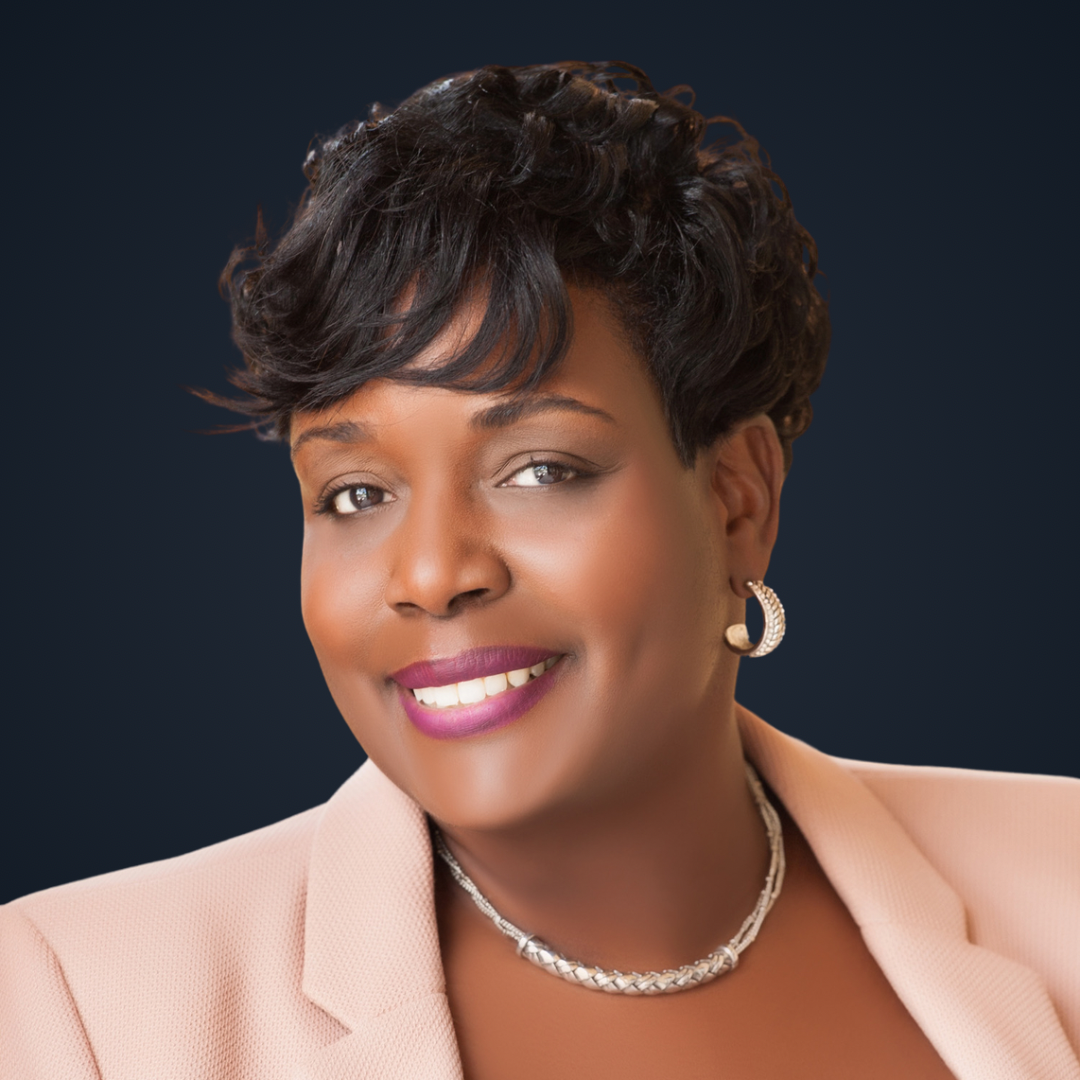
Our child and adolescent psychiatry services are provided by Dr. Daphne Dorce. Dr. Dorce is board-certified in General Psychiatry, Child & Adolescent Psychiatry, Forensic Psychiatry, and Addiction Medicine. Her wide-ranging experience, combined with her warmth and aptitude for connecting with young people, enables Dr. Dorce to provide individualized care.
Call 954-417-7575 to schedule an initial consultation at our comfortable and inviting psychiatric clinic in Fort Lauderdale. We serve patients throughout South Florida.
Our Child & Adolescent Psychiatry Services
Mental health can be a sensitive subject at any age. For children and adolescents, the internal struggles are often amplified by significant changes in the brain and pressure to fit in socially. Effective mental health care recognizes these challenges and ensures that young patients have space to explore and process their feelings.
Our child and adolescent psychiatry services include:
Psychiatric Evaluations
A comprehensive psychiatric evaluation is the first step of treating any patient, regardless of age. The goal is to understand your child or teen’s emotional, behavioral, cognitive, and mental health needs. Identifying the causes of underlying symptoms is critical for developing a personalized treatment plan.
We create a compassionate, supportive environment in which to conduct psychiatric evaluations. Our goal is to make sure children and adolescents (as well as their families) feel heard and understood.
During the evaluation, Dr. Dorce will gather information about the child’s:
- Current symptoms and concerns
- Emotional and behavioral patterns
- Medical, developmental, and mental health history
- Social interactions and functioning
- Academic performance
- Family history of mental health issues
We are flexible, accommodating, and sensitive to the needs of children and families. Depending on the child’s age and needs, Dr. Dorce may speak with the child and parent or guardian together and separately to gain a complete understanding.
Diagnostic Assessments
A diagnostic assessment can determine whether the child meets the criteria for psychiatric conditions such as:
- Clinical depression
- Anxiety disorders
- Attention-Deficit/Hyperactivity Disorder (ADHD)
- Mood disorders
- Trauma-related disorders
- Behavioral challenges
Our goal is never to “label” the child. We use an evidence-based approach combining clinical interviews, behavioral observations, and diagnostic frameworks such as the DSM-5-TR to accurately diagnose child and adolescent psychiatric disorders and tailor treatments accordingly.
Psychotherapy
Also known as “talk therapy,” psychotherapy aims to help children and adolescents understand their emotions, develop coping skills, and work through mental health challenges in a supportive therapeutic setting. We offer psychotherapy as part of cohesive psychiatric care when clinically appropriate.
Modalities that may be appropriate for your child include:
- Cognitive Behavioral Therapy (CBT): The most recognizable form of talk therapy, CBT can help patients (including children and adolescents) acknowledge negative thoughts, impulses, and behaviors and respond to them more positively. Emotional regulation and daily functioning may be improved through CBT sessions.
- Supportive therapy: As the name suggests, supportive therapy provides emotional support to a child or adolescent. Techniques such as emotional validation, personalized guidance, and age-appropriate communication are key for helping young patients manage stress and build emotional resilience.
- Trauma-informed therapy: If your child has been affected by a traumatic incident, trauma-informed therapy can help them feel safe and give them the tools to process the experience. We use age-appropriate techniques to help restore stability, encourage healthy coping mechanisms, and avoid retraumatization.
- Skills-focused therapy: For children and teens with anxiety, depression, ADHD, behavioral challenges, trauma, and other mental health struggles, skills-based therapy can provide structured strategies for improving emotional regulation. This may involve CBT and a combination of other therapies.
Dr. Dorce draws upon her quadruple board certifications and extensive clinical experience to customize therapy to each child’s needs. This is essential for building positive relationships with young people and their families and giving children room to express themselves openly.
Start Your Journey Today
Mental health struggles don’t define you—your path to healing begins now.
powered by ZocDoc
Medication Management
Hands-on support and ongoing monitoring are crucial if your child has been prescribed psychiatric medication. NeuroHealth Treatment Centers has robust medication management services for children and adolescents.
Our team works with you and your child to assess the positive impact of any medications, as well as evaluate troublesome side effects. We can make adjustments based on how the child or teen responds to medication, as well as explore alternatives as needed.
Ongoing Treatment Planning
Just as a child grows and develops over time, mental health care may change based on needs and progress. Ongoing treatment planning refers to the process of monitoring your child’s mental health and adjusting treatment strategies as needed.
Are you concerned about your child’s mental health or behavior? Schedule a consultation with NeuroHealth Treatment Centers to learn about our child and adolescent psychiatry services.
Is TMS Involved in Treatment Plans for Younger Patients?
Transcranial Magnetic Stimulation (TMS) may be integrated into adolescent psychiatric treatment plans when clinically indicated. Our TMS system is FDA-cleared for patients 15 and older with Major Depressive Disorder (MDD).
We carefully evaluate your child’s treatment history and response to medication to determine whether TMS therapy is right for adolescent depression. Generally speaking, TMS is reserved for treatment-resistant cases where first-line protocols have not been effective.
TMS therapy is well-tolerated by the majority of patients. Side effects for teens and young adults are generally mild and may include headache, discomfort at the treatment site, and bouts of fatigue.
A study in the journal of the American Academy of Child and Adolescent Psychiatry (JAACAP Open) found that approximately 70% of patients aged 12–21 with MDD experienced a meaningful reduction in depressive symptoms after receiving TMS treatment.
How Involved Are Parents & Guardians Throughout the Treatment Process?
Parents and guardians take an active role in mental health treatment for patients under 18. This includes:
- Participation in initial evaluations
- Treatment planning discussions
- Periodic progress updates (as appropriate)
- Coordination around safety planning and medication management
With the patient’s consent, the role of parents and guardians may be extended into young adulthood. Family support can be an integral component of mental health care, with Dr. Dorce emphasizing family collaboration in the treatment process if it aligns with the patient’s wishes and is in their best interest.

Loading testimonial…
–
Why Choose NeuroHealth Treatment Centers for Child & Adolescent Psychiatry?
Dr. Dorce’s clinical experience and leadership enable us to offer a structured, evidence-based approach to adolescent mental health. We provide truly personalized care through integrated coordination between psychiatry, psychotherapy, and advanced treatment options where appropriate.
Our special areas of focus include mood and anxiety disorders, treatment-resistant depression, and complex adolescent presentations requiring multi-modal care coordination. This may include talk therapy, managed medication regimens, and (in some cases) TMS treatment.
All of our treatment recommendations are based on comprehensive evaluations and diagnostic assessments. This is critical for gaining an accurate picture of your child’s situation and creating customized interventions.
Dr. Dorce and our team are committed to making NeuroHealth Treatment Centers a safe and welcoming space for teenagers, as well as parents and guardians. This is crucial for building rapport, helping teens and young adults open up, and finding effective solutions for their unique mental health difficulties.
Contact NeuroHealth Treatment Centers Today
Mental health is a major concern for children and adults alike. Nearly 1 in 5 children between the ages of 3 and 17 have a diagnosed mental, emotional, or behavioral disorder. These conditions can cause significant distress for kids, teenagers, and their families.
Help is available. Dr. Daphne Dorce at NeuroHealth Treatment Centers specializes in treating young patients with a wide range of mental health and behavioral issues.
Dr. Dorce has dedicated her career to providing young patients with compassionate, personalized care. Her advanced clinical experience and training, board certifications in multiple psychiatric disciplines, and commitment to individualized communication help adolescents and young adults manage difficult emotions and develop coping strategies for healthy development.
Call NeuroHealth Treatment Centers at 954-417-7575 to schedule an initial consultation. Our child and adolescent psychiatry services are available to patients in Fort Lauderdale and all of South Florida.


